Debunking Common Myths About LED Displays


Introduction
LED displays have become a popular choice in a variety of settings, from advertising to home entertainment. However, despite their widespread use, several myths persist about their functionality and benefits. In this post, we'll debunk some of the most common misconceptions about LED displays, helping you make informed decisions.
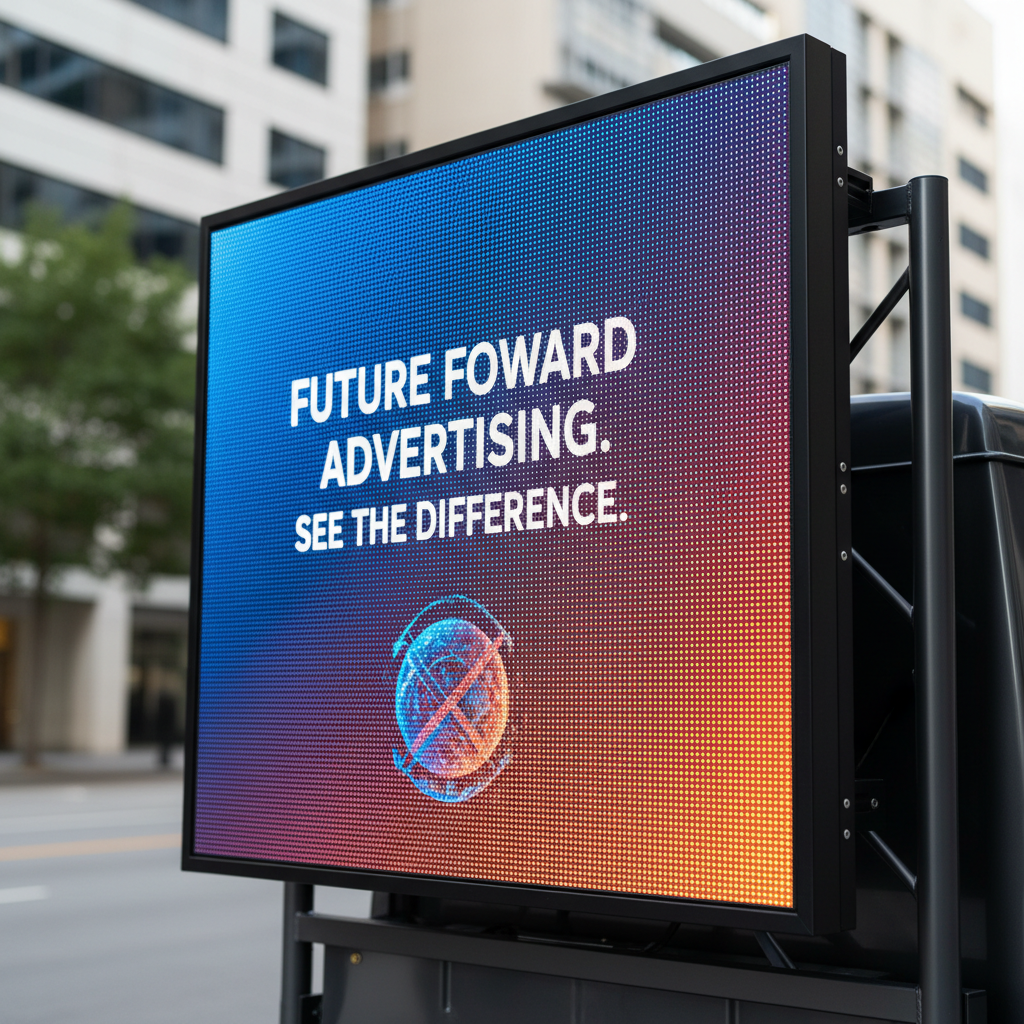
Myth 1: LED Displays Consume a Lot of Energy
One common myth is that LED displays are energy hogs. In reality, LED technology is designed to be energy-efficient. Compared to traditional lighting and display technologies, LEDs consume significantly less power. This efficiency not only reduces energy costs but also minimizes environmental impact.
Understanding LED Efficiency
LEDs convert a higher percentage of energy into light rather than heat, which is why they are more efficient. This efficiency makes them ideal for both large-scale and small-scale applications, offering bright displays without excessive energy use.
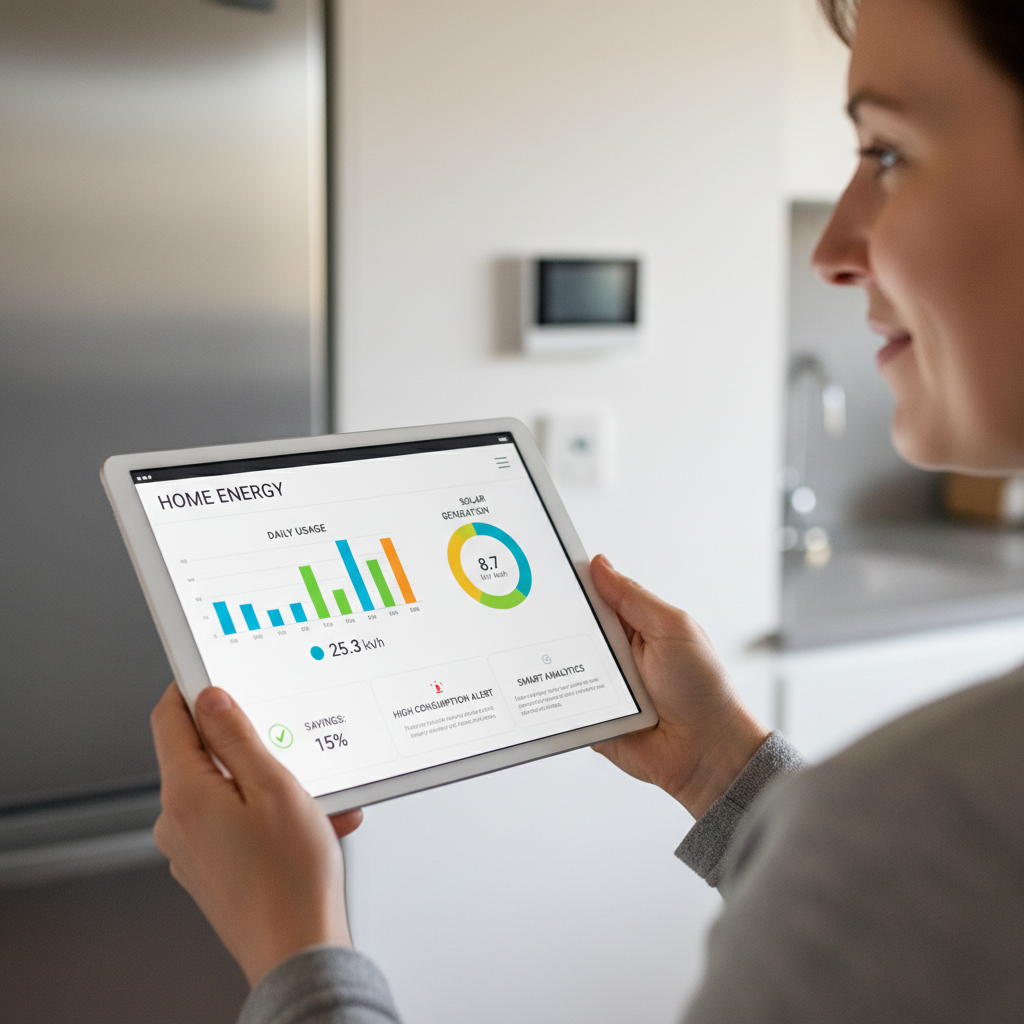
Myth 2: LED Displays Have a Short Lifespan
Another misconception is that LED displays do not last long. However, LEDs are known for their durability and longevity. A typical LED display can operate for tens of thousands of hours, far surpassing other display technologies like LCDs and plasma screens.
Factors Contributing to Longevity
The long lifespan of LED displays is due to their solid-state construction, which is less prone to wear and tear. Proper maintenance and usage can further extend their operational life, making them a cost-effective investment.

Myth 3: LED Displays Are Only Suitable for Outdoor Use
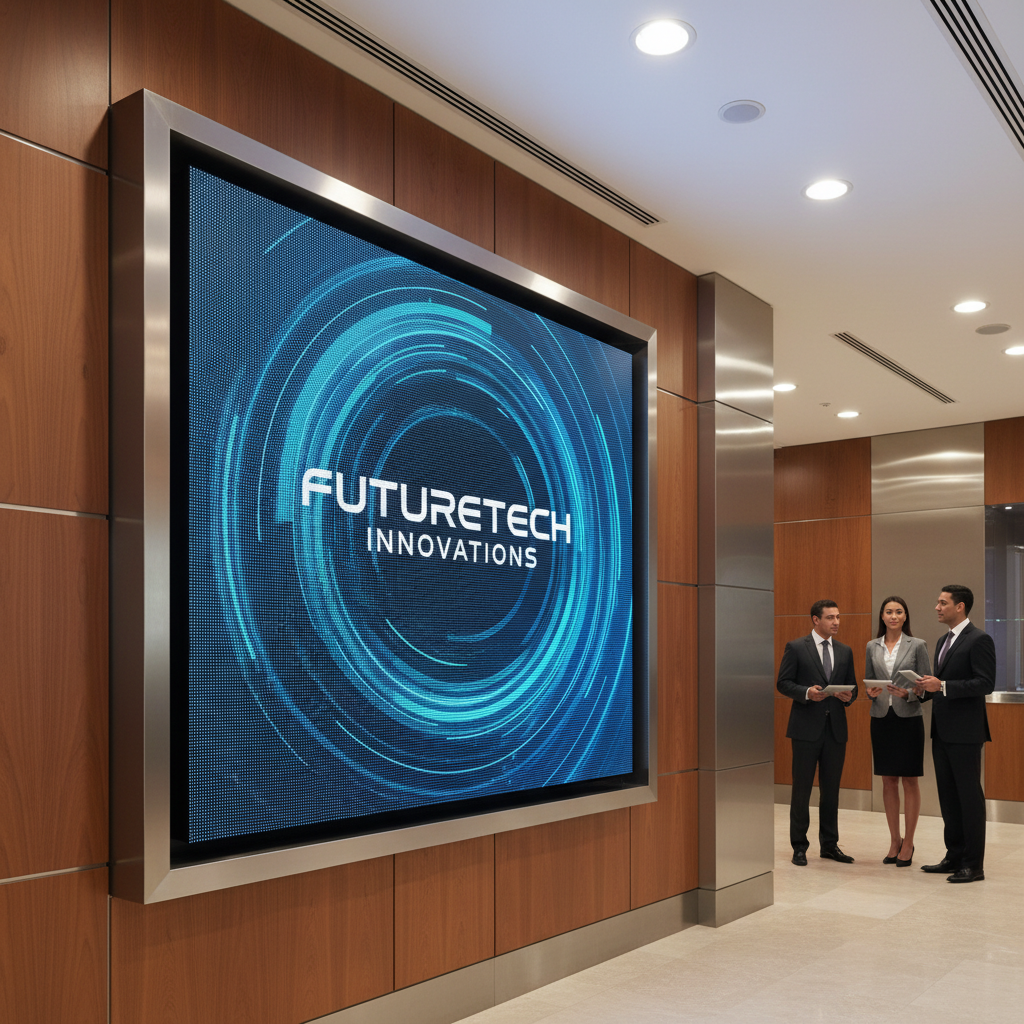
While LED displays are commonly seen outdoors for advertisements and billboards, they are also perfect for indoor use. From retail stores to conference rooms, LEDs provide vibrant and customizable display solutions for any environment.
Versatility in Application
LED displays offer versatility in design and application. They come in various shapes and sizes, allowing for creative installations both indoors and outdoors. This adaptability makes them suitable for diverse settings, including homes, offices, and public spaces.
Myth 4: LED Displays Are Too Expensive
The perception that LED displays are prohibitively expensive is another myth. While the initial cost might be higher compared to other technologies, the long-term savings in energy and maintenance costs often offset the upfront investment.
Cost Efficiency Over Time
LED technology has become more affordable over time, and the ongoing savings make it a wise financial choice. When evaluating the cost, consider the total cost of ownership, which includes energy, maintenance, and lifespan.
Conclusion
Understanding the realities of LED displays can help dispel myths and highlight their advantages. From energy efficiency to versatility and cost-effectiveness, LEDs offer numerous benefits that make them a leading choice in display technology. By debunking these common myths, you can make more informed decisions about integrating LED displays into your projects or daily life.