Comparing LED Displays: Which Option is Best for Your Business?


Understanding LED Displays
In today's digital age, LED displays have become a critical component of business marketing and communication strategies. They are versatile, energy-efficient, and capable of delivering vibrant visuals that capture attention. But with a plethora of options available, how do you determine which LED display is best for your business?
Understanding the different types of LED displays and their unique features can help you make an informed decision. Let’s explore some of the most popular options and what they offer.

Indoor vs. Outdoor LED Displays
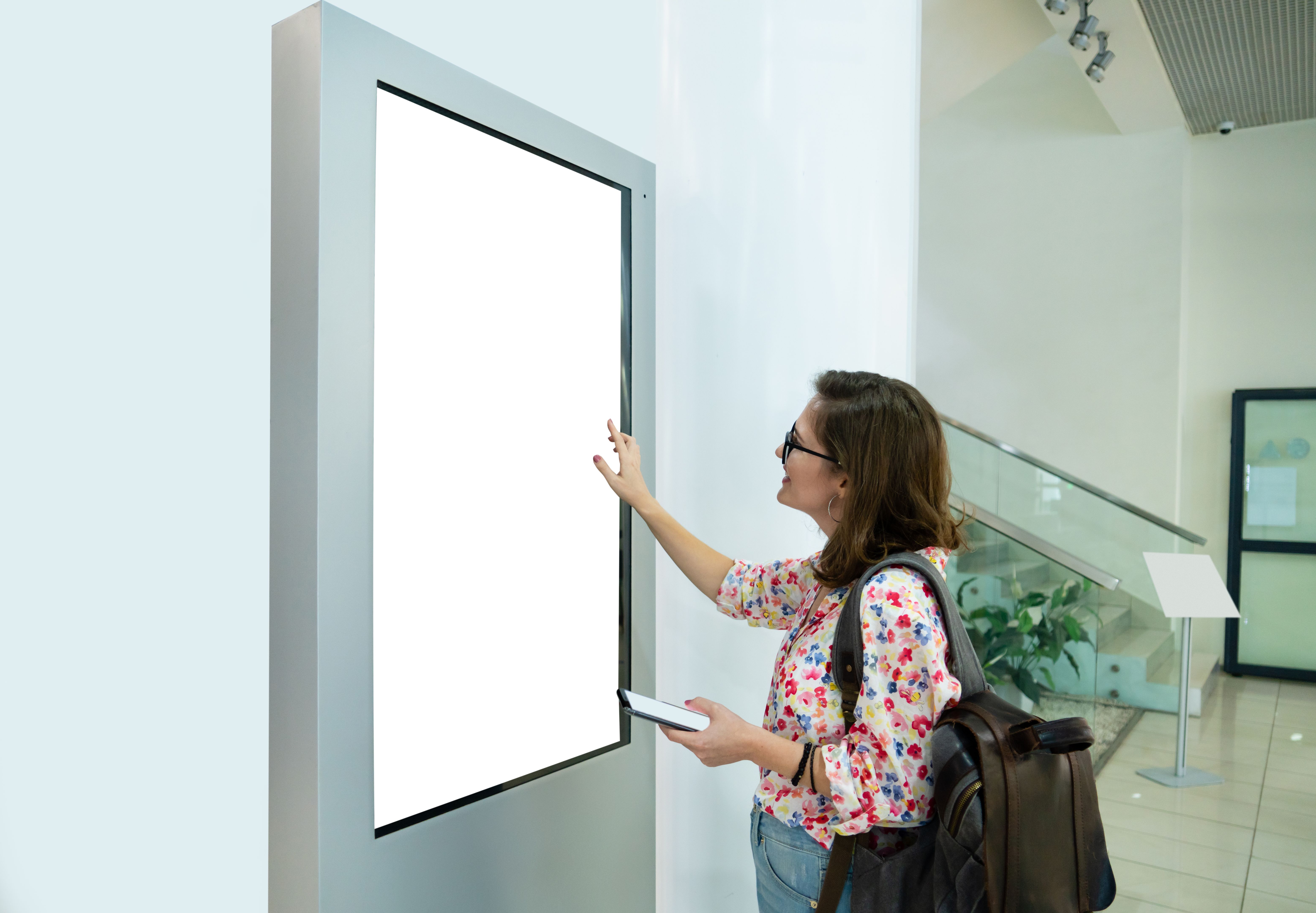
The first decision you need to make is whether you require an indoor or outdoor LED display. Indoor LED displays are designed for controlled environments and are typically used in retail stores, conference rooms, and event venues. They offer high resolution and brightness suitable for close viewing.
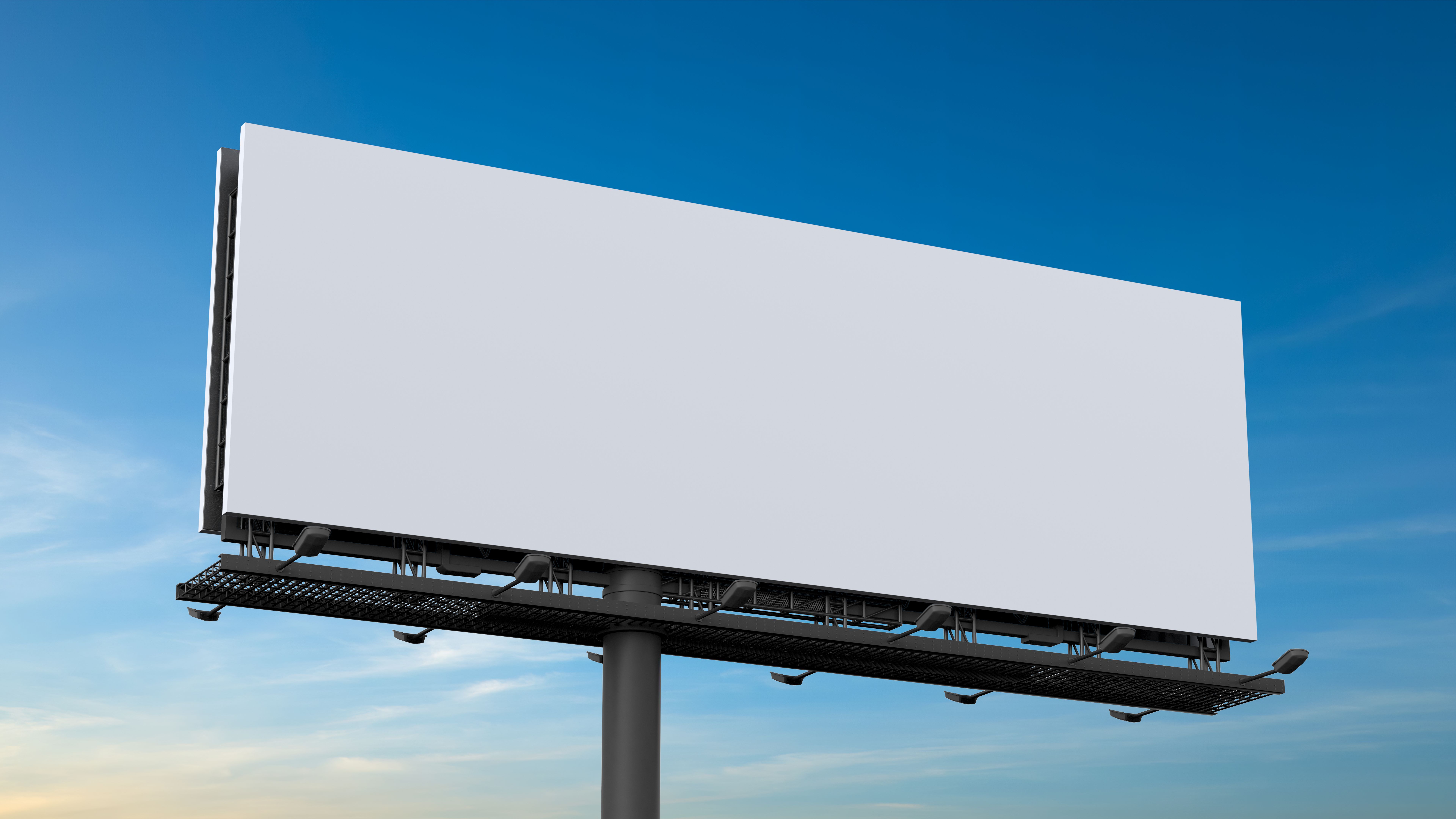
Outdoor LED displays, on the other hand, are built to withstand the elements. They are perfect for billboards, stadiums, and public spaces where visibility is crucial, even from a distance. These displays are engineered to be weather-resistant and offer high brightness to combat sunlight.
Key Features to Consider
When choosing between indoor and outdoor displays, consider factors such as location, audience distance, and purpose. Outdoor displays often require higher durability and brightness, while indoor displays focus more on resolution and color accuracy.
Resolution and Pixel Pitch
Resolution plays a pivotal role in the clarity of an LED display. It is determined by the pixel pitch, which is the distance between each pixel on the screen. A smaller pixel pitch means more pixels per area, resulting in a clearer image.
For close-up viewing, such as in a retail setting, a display with a smaller pixel pitch is recommended. Conversely, for displays viewed from afar, such as billboards, a larger pixel pitch might suffice and be more cost-effective.
Matching Resolution to Purpose
Ensure that the resolution aligns with the display's purpose. A high-resolution screen is ideal for detailed content, whereas simpler graphics can work well on lower resolution displays.
Additional Features and Customization
Modern LED displays come with a variety of additional features, including smart technology integrations and customizable options. Some displays offer interactive capabilities, while others might support dynamic content updates for real-time information sharing.
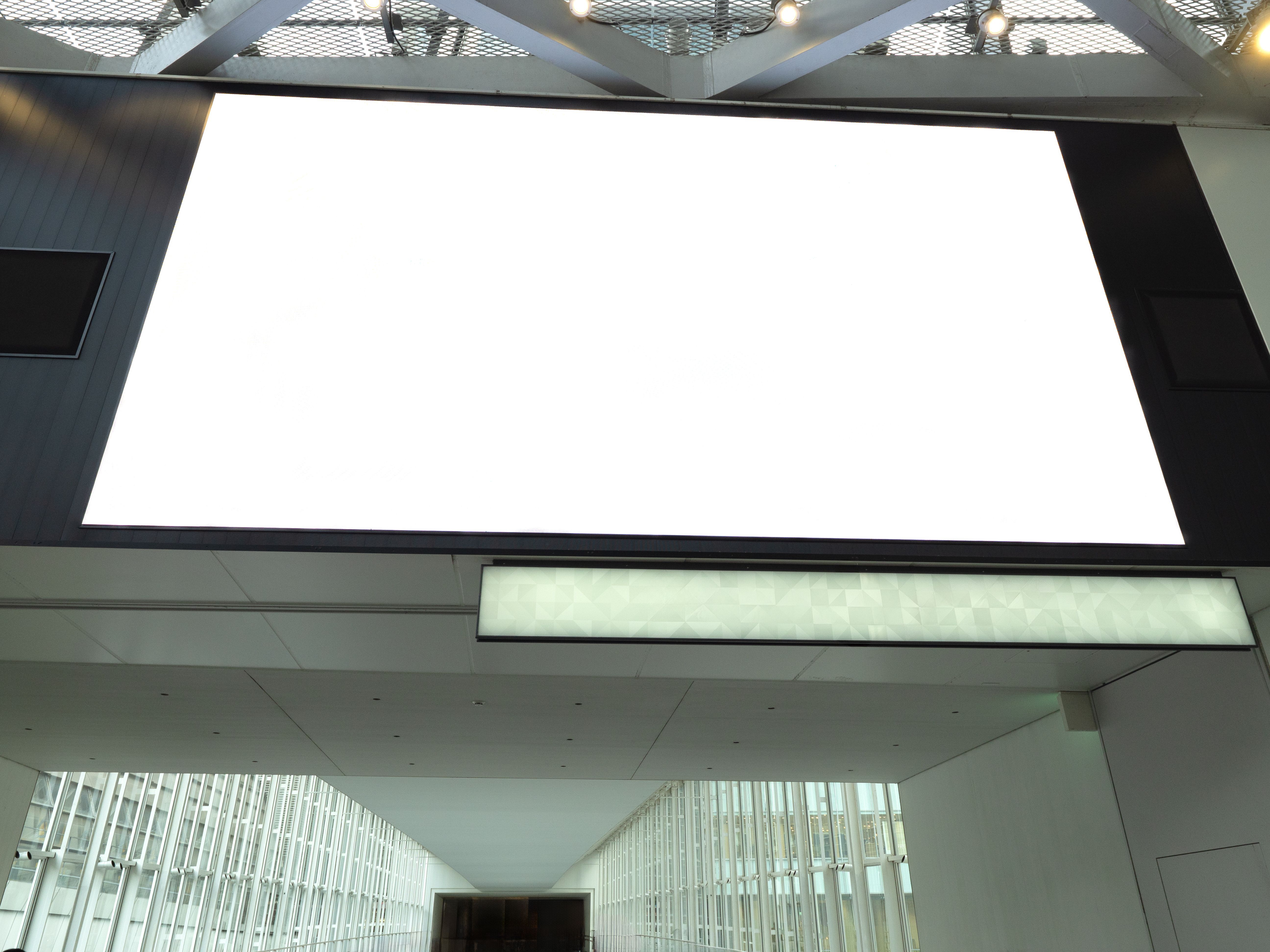
Customization options allow businesses to tailor the display's size, shape, and even curve to fit unique spaces and applications. Consider these features if you need a display that stands out or fits a specific brand aesthetic.
Conclusion: Making the Right Choice
Ultimately, the best LED display for your business depends on your specific needs and circumstances. Evaluate factors such as location, audience, and content type to make an informed decision. Investing in the right LED display can significantly enhance your business’s visibility and engagement.